அன்பே சிவம்
Love itself is Sivam
அன்பே சிவம். இது ஒரு வாசகம் அல்ல; தமிழ் சைவத்தின் இதயம். இறைவன் அன்பு உடையவர் என்பது மட்டுமல்ல — தூய அன்பு எதுவோ, அதுவே சிவம். ஒரு தாய் குழந்தையை அணைக்கும்போது, ஒரு நண்பன் கை கொடுக்கும்போது, உள்ளம் காரணமின்றி உருகும்போது — அங்கே இருப்பது அவரே. நாம் மறந்துபோனது ஒரு தத்துவத்தை அல்ல; இந்த அன்பைத்தான்.
இறைவனை அடைய சமஸ்கிருதமோ, செந்தமிழ்ப் புலமையோ, கடினமான சடங்குகளோ தேவையில்லை. வேண்டியது அன்பு மட்டுமே. அந்த அன்பை நான்கு பேர் நான்கு வழிகளில் வாழ்ந்து காட்டினார்கள் — நான்கு கதவுகள்; உள்ளே இருப்பது ஒரே அன்பு. உங்கள் உள்ளத்தில் எந்தக் கதவு ஏற்கனவே திறந்திருக்கிறது?
Anbe Sivam — Love itself is Sivam. This is not a slogan; it is the heart of Tamil Shaivism. Not merely that God is loving, but that wherever pure love is, that love itself is Him. When a mother holds her child, when a friend gives his hand, when the heart melts for no reason it can name — what is present there is the Lord. What we have forgotten is not a philosophy. It is this love.
To reach Him you need no Sanskrit, no mastery of classical Tamil, no demanding ritual. You need only love. Four people lived that love in four ways — four doors, and behind them one love. Which door is already open in your heart?
Before poetry, before learning
கவிதைக்கு முன், கல்விக்கு முன்
கண்ணப்பர் · Kannappar
பாட்டு பிறப்பதற்கு முன், சடங்கு அறியப்படுவதற்கு முன், ஒரு வேடன் இருந்தான் — திண்ணன். எழுத்து அறியான்; ஆகமம் அறியான்; மந்திரம் அறியான். காட்டில் வேட்டையாடி வாழ்பவன். ஒருநாள் காளத்தி மலையில் ஒரு சிவலிங்கத்தைக் கண்டான் — கண்டவுடன் அவன் உள்ளம் காரணமின்றி உருகியது. அன்று முதல் அவனுக்கு வேறு உலகமே இல்லை. அவன் வழிபட்ட அந்த இறைவர், இன்றும் அன்போடு “குடுமித் தேவர்” — குடுமி உடைய இறைவர் — என்றே அழைக்கப்படுகிறார்.
இறைவனுக்கு அவன் படைத்தது சாத்திரம் தடுத்தவை எல்லாம் — தான் சுவைத்துப் பார்த்த ஊனிறைச்சி, வாயில் சுமந்து வந்த நீர், தலையில் சூடிய மலர். ஒவ்வொன்றும் ஒரு 'மீறல்' — ஆனால் ஒவ்வொன்றும் தூய அன்பினால் நிறைந்தது. அதே கோயிலில் மறைப்படி பூசித்த அந்தணரின் தூய்மையான வழிபாட்டை விட, இந்த வேடனின் 'மாசுபட்ட' படையல்களையே இறைவன் மேலானதாக ஏற்றார். ஏனெனில் இறைவன் பார்ப்பது கையை அல்ல; உள்ளத்தை.
ஒருநாள் லிங்கத்தின் ஒரு கண்ணிலிருந்து குருதி வழிந்தது. கலங்கிய திண்ணன், தன் அம்பினால் தன் சொந்தக் கண்ணைத் தோண்டி அந்த இடத்தில் வைத்தான் — குருதி நின்றது. மறு கணமே இரண்டாம் கண்ணிலிருந்தும் குருதி வந்தது. இரண்டாம் கண்ணைப் பெயர்த்தால் இடம் தெரியாமல் போகும் என்று, தன் காலை லிங்கத்தின் மேல் வைத்து அடையாளம் கண்டு, அம்பைத் தன் இரண்டாம் கண்ணை நோக்கி உயர்த்தினான். அப்போது — லிங்கத்திலிருந்து இறைவனின் திருக்கை நீண்டு வந்து அவன் கையைப் பிடித்தது: "கண்ணப்ப, நில்."
அவனுக்குக் கல்வி வேண்டியிருக்கவில்லை; புலமை வேண்டியிருக்கவில்லை. அவன் நெஞ்சில் நிறைந்திருந்த தூய அன்பு ஒன்றே போதுமானதாக இருந்தது — அந்த அன்பே அவனை இறைவனின் திருக்கையைத் தொடச் செய்தது. சுந்தரரே அவனைப் பாடுகிறார்: "இடந்த கண்ணப்பன்... ஏத்துபத்தர்கட்கு ஏற்றம் நல்கினீர்" — கண்ணைப் பெயர்த்த கண்ணப்பன் போன்ற அன்பர்களுக்கு இறைவன் உயர்வு அளித்தார் என்று. இதுவே தொடக்கம். இதற்குப் பிறகுதான் கவிதை. நால்வர் பாடிய பாடல்கள் எல்லாம், இந்தக் காட்டு அன்பே சொல் வடிவம் கொண்டதுதான்.
எறிந்தசண்டி இடந்தகண்ணப்பன் ஏத்துபத்தர்கட் கேற்றம்நல்கினீர்
திருமுறை 7.88.6 — திருவீழிமிழலை · Sundarar
In English
Before song was born, before ritual was known, there was a hunter — Thinnan. He could not read; he knew no Agama, no mantra. He lived by hunting in the forest. One day, on the hill of Kalatti, he saw a Shiva linga — and the moment he saw it, his heart melted for no reason he could name. From that day, no other world existed for him. The Lord he worshipped there is still called, with affection, Kudumithevar — the Lord with the tuft.
What he offered the Lord was everything the sastras forbid — meat he had tasted first to check it was good, water carried in his own mouth, wild flowers worn in his hair. Each was a "violation" — and each was full of pure love. In the same shrine, a learned andanar worshipped by the exact rule; yet the Lord received this hunter's "impure" offerings as the higher worship. Because what the Lord looks at is not the hand, but the heart.
One day, blood ran from one eye of the linga. Distraught, Thinnan gouged out his own eye with his arrow and placed it there — and the bleeding stopped. At once, blood began from the second eye. Knowing that if he plucked out his second eye he would be blind and could not find the spot, he set his foot on the linga to mark the place, and raised his arrow to his own second eye. And then — a hand reached out from the linga and caught his: "Kannappa, stop."
No learning, no scholarship, nothing that could be called a qualification. All he had was love — and that love alone raised him to touch the Lord's own hand. Sundarar himself sings of him: "Kannappan who plucked out his eye... to devotees like him You granted exaltation." This is the beginning. Poetry comes after. Every hymn the four saints sang is this same forest-love, finding words.
நான்கு கதவுகள் — நால்வர்
Four ways of loving — one Lord. Choose the door already open in your heart.
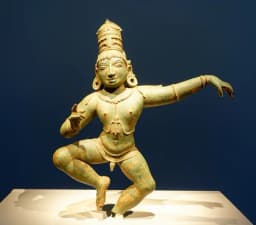
திருஞானசம்பந்தர்
Sambandar · திருமுறை 1–3
குழந்தை — the child
பாலூட்டப் பெற்ற ஞானக் குழந்தை
அவர் கதையை அறிய →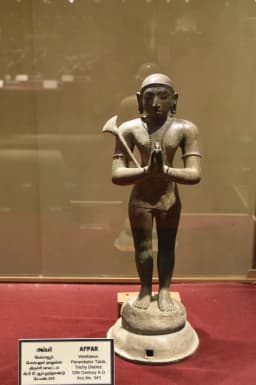
திருநாவுக்கரசர் (அப்பர்)
Appar · திருமுறை 4–6
தொண்டன் — the servant
உழவாரப் படை ஏந்திய தொண்டர்
அவர் கதையை அறிய →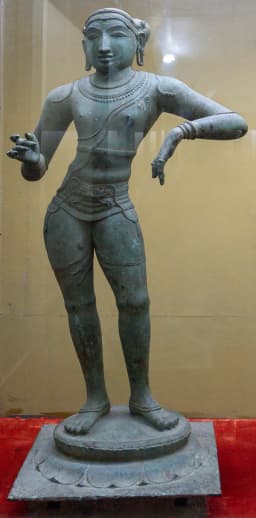
சுந்தரர்
Sundarar · திருமுறை 7
தோழன் — the friend
இறைவனின் தோழர் — வன்றொண்டர்
அவர் கதையை அறிய →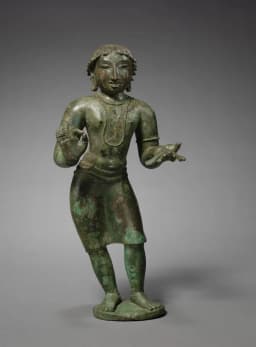
மாணிக்கவாசகர்
Manikkavasagar · திருமுறை 8
சீடன் — the disciple
திருவாசகம் அருளிய உருகும் உள்ளம்
அவர் கதையை அறிய →