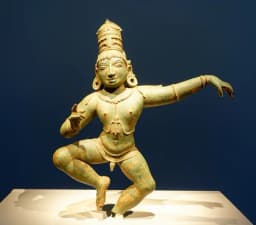
சீர்காழியில், கோயில் குளக்கரையில், மூன்று வயதுக் குழந்தை ஒன்று தனியே நின்று அழுகிறது. தந்தை நீராடக் குளத்தில் இறங்கியிருந்தார். பசியும் தனிமையும் தாங்காமல் குழந்தை அழுத அந்த அழுகைக்கு, உலகங்களுக்கெல்லாம் அம்மையும் அப்பனுமாய் இருப்பவர்களே நேரில் வந்தார்கள். உமையம்மை பொற்கிண்ணத்தில் தம் ஞானப்பாலை ஊட்டினார்கள். அழுகை நின்றது. நீராடி மீண்ட தந்தை, குழந்தையின் வாயோரம் பால் வடிவதைக் கண்டு, "யார் தந்தது?" என்று கேட்டார். குழந்தை வானை நோக்கி விரல் நீட்டியது — வாய் திறந்தது — பாட்டு வந்தது: "தோடுடைய செவியன் விடையேறி..." தோடணிந்த காதர், விடை ஏறி வருபவர் — அவர்தான் தந்தார் என்று. மூன்று வயதில் தொடங்கிய அந்தப் பாடல், பதின்மூன்று ஆண்டுகள் நிற்கவே இல்லை.
அன்று முதல் சம்பந்தருக்கு இறைவன் தொலைவில் உள்ள தெய்வம் அல்லர் — தம் சொந்த அம்மையும் அப்பனும். குழந்தைக்குத் தாயின் மேல் இருக்கும் உரிமை கேட்டுப் பெறுவதல்ல; பிறப்பிலேயே வந்தது. அந்த உரிமையோடுதான் அவர் பாடினார். முதற்பாடலிலேயே இறைவரை "என் உள்ளம் கவர் கள்வன்" என்கிறார் — தம் உள்ளத்தைத் திருடிக்கொண்ட கள்வர் என்று! கடவுளைக் கள்வன் என்று சொல்ல ஒரு குழந்தையால்தான் முடியும்; அந்தச் சொல்லில் இருப்பது துணிச்சல் அல்ல, நெருக்கம். இறைவனும் அந்த உரிமையை ஏற்றுக்கொண்டார் — பாடிக்கொண்டே ஊர் ஊராய் நடந்த சிறுவனுக்கு முத்துச்சிவிகையும் பொற்றாளமும் தந்தார்.
மதுரையில் பாண்டிய மன்னனுக்குத் தீராத வெப்பு நோய். செல்லுமுன் கோள்கள் இடர் காட்டி நின்றபோது அவர் பாடியதுதான் கோளறு திருப்பதிகம் — "வேயுறு தோளிபங்கன்" — உமையொரு பாகர் நம்முடன் இருக்க, எந்தக் கோளும் நல்லதே செய்யும் என்று. மதுரையில், திருநீற்றின் பெருமையைப் பாடி — "மந்திர மாவது நீறு" — மன்னனின் நோயைத் தீர்த்தார்; நாடு மீண்டும் சிவநெறியில் நின்றது. பதினாறாம் வயதில், நல்லூர்ப் பெருமணத்தில் அவருக்குத் திருமணம். மணக்கோலத்தில், வந்திருந்த அனைவரையும் அழைத்துக்கொண்டு, இறைவன் காட்டிய பேரொளியில் நுழைந்தார். வாழ்நாள் முழுவதும் குழந்தையாகவே இருந்தவர் — அவர் அன்பு வளர்ந்து முதிர வேண்டிய தேவையே இருக்கவில்லை; பிறக்கும்போதே முழுமையாய்ப் பிறந்துவிட்டது.
In English
By the temple tank at Sirkali, a three-year-old child stands alone, crying. His father had gone down into the water to bathe. The child cried from hunger and aloneness — and to that cry came the ones who are Mother and Father to all the worlds. Uma herself fed him her milk of wisdom from a golden cup, and the crying stopped. When the father returned and saw milk at the corner of the child's mouth, he asked: who gave you this? The child lifted a finger towards the sky — and what came out was not an answer but a song: "Thodudaiya seviyan..." — the One with the ear-ring, the One who rides the bull. She gave it to me. The song that began at age three did not stop for thirteen years.
From that day, God was never distant for Sambandar — He was his own Mother and Father. A child's claim on its mother is not requested and granted; it comes with birth. It was with that claim that he sang. In that very first hymn he calls the Lord "the thief who stole my heart" — en ullam kavar kalvan. Only a child can call God a thief; what lives in that word is not audacity but closeness. And the Lord accepted the claim — for the boy who walked from town to town singing, He provided a pearl palanquin and golden cymbals.
In Madurai, the Pandya king lay burning with a fever no one could cure. When the planets stood ill-omened against the journey, he sang the Kolaru Pathigam — "Veyuru tholipangan" — with the Lord who shares His form with Uma beside us, every planet can do only good. In Madurai he sang the glory of the sacred ash — "Manthiramavathu neeru" — and the king's fever left him; the land returned to Shiva's path. At sixteen, at Nallur Perumanam, his wedding was held. In his bridegroom's garments, he invited everyone present to come with him, and walked into the great Light the Lord opened. He remained a child his whole life — his love never needed to grow up, because it was born complete.
ஆழமான பொருள் · A deeper note
சம்பந்தர் அன்பின் வழி — குழந்தையின் வழி. தாய் தந்தையின் மேல் ஒரு குழந்தைக்கு உள்ள தன்னலமற்ற, சந்தேகமற்ற உரிமை. அறிவால் அல்ல, பிறப்புரிமையால் இறைவனை அடைந்தவர்.
Sambandar's way is the child's way — the selfless, doubtless claim a child has on its mother and father. He reached the Lord not by learning, but by birthright.
அவர் குரல் · Hear him speak
தோடுடைய செவியன் விடையேறியோர் தூவெண்மதிசூடி...
திருமுறை 1.1.1 — திருப்பிரமபுரம் (சீர்காழி)
His first words — the song born with the milk.
மந்திர மாவது நீறு வானவர் மேலது நீறு...
திருமுறை 2.66.1 — திருஆலவாய் · திருநீற்றுப்பதிகம்
The sacred-ash hymn that healed a king — sung at every vibhuti-wearing since.
வேயுறு தோளிபங்கன் விடமுண்ட கண்டன்...
திருமுறை 2.85.1 — கோளறு திருப்பதிகம்
The protection hymn every Tamil household knows — fear dissolved by closeness to Him.